
The sustainability discussion surrounding data technology is more heated than ever in 2025. Massive data pipelines, cloud services, and artificial intelligence (AI) have brought about innovation, but they have also brought up pressing issues with energy, emissions, and long-term effects. AI model training adds even more strain to already overburdened infrastructure, making data centers alone one of the world’s fastest-growing electricity consumers.
This report looks at the true environmental cost of data technology, the technical strategies companies are deploying to reduce that cost, and whether “green data” practices are becoming a competitive differentiator. From efficiency improvements to renewable power adoption, the road to sustainable data infrastructure is being written in real time.
The Environmental Cost of Data Tech in 2025
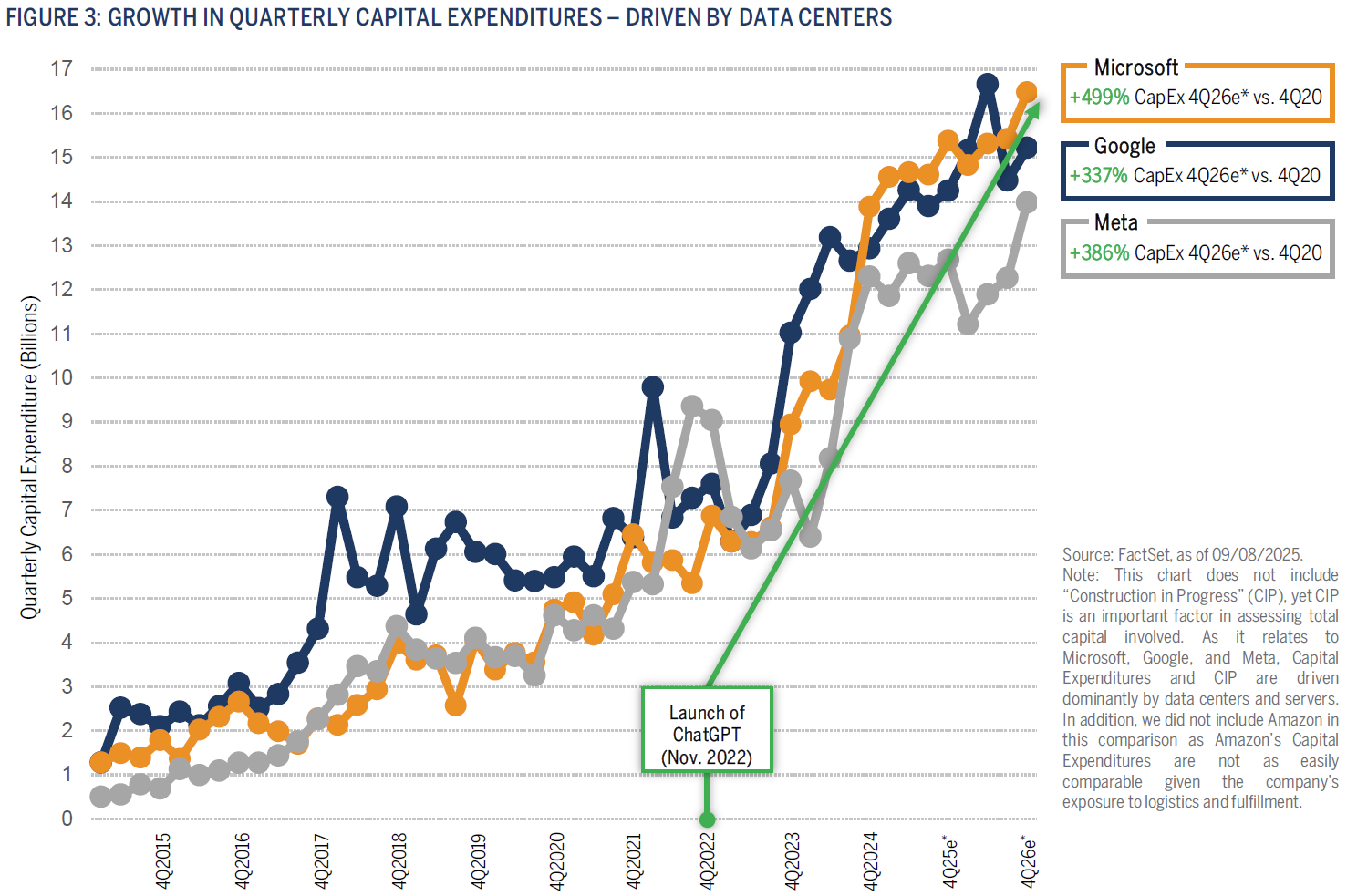
The raw numbers show the scale of the challenge. Google reported in July 2025 that its data center energy consumption jumped 27% year-over-year, largely driven by AI workloads (RCR Wireless). While the company offset much of the growth with renewable energy deals, the rise illustrates how model training and inferencing continue to outpace even aggressive sustainability measures.

Globally, data centers are also increasing their reliance on water-intensive cooling. A 2025 Uptime Institute survey highlighted that water consumption per megawatt of IT load remains a growing issue, forcing operators to explore alternatives like liquid immersion cooling and heat reuse systems. And while renewables are becoming more common, a Bloom Energy 2025 data center power report shows that 30% of operators now plan to adopt on-site generation, microgrids, fuel cells, or other technologies, to cut dependence on the grid.
Case Studies and Innovations in 2025
Google’s internal disclosure for 2025 noted a 27 % increase in data center energy use year over year, but it also emphasized deeper reliance on clean energy deals and carbon offsets to manage emissions. While critics argue that growth overshadows offsets, Google claims its renewable capacity expansion is keeping ahead of demand, helping stabilize its carbon intensity.
Microsoft is pushing green transformation via its Azure arm. In mid-2025, it revealed plans for new data centers using hydrogen fuel cells on site, advanced liquid cooling systems to reduce water use, and hybrid architecture to migrate workloads dynamically to more efficient locations. Their 2025 sustainability report also describes how new data centers built with mass timber construction can cut embodied carbon by up to 65 % compared to conventional concrete designs brownadvisory.com
Meanwhile, the Bloom Energy 2025 Data Center Power Report highlights that roughly one-third of data center operators now intend to deploy on-site generation, via solar, fuel cells, or modular nuclear, to decrease dependence on external grids. This shift signals an architectural rethinking: data centers increasingly power themselves.
Across the industry, innovation in model efficiency is also gaining steam. Researchers released ETHEREAL, a compressed inference architecture that reduces model size by over 87 % while maintaining accuracy, a transformative approach for cutting inference energy costs. ETHEREAL (Compressed Tsetlin Machine)
Challenges, Trade-offs and Risks
Even as sustainability becomes a priority, the road to “green data” is filled with real obstacles. The biggest issue is cost. A 2025 CBRE survey found that nearly 60% of operators say deploying advanced cooling or on-site renewables raises capital costs by 25–40% in the first three years. While energy savings eventually offset some of this, CFOs often hesitate to approve such large upfront investments.
Grid reliability is another risk. With more operators planning on-site generation, the Bloom Energy 2025 Data Center Power Report notes concern about regulatory approval and grid interconnection delays. In markets like California and Germany, the rush to build microgrids is facing red tape, slowing down green adoption.
Finally, there’s the danger of greenwashing. A 2025 Greenpeace digital infrastructure audit flagged that nearly 40% of claimed “renewable” data workloads were in fact backed by renewable certificates (RECs) rather than physical clean power delivery. This raises accountability issues and creates pressure for stricter, verifiable sustainability reporting.
Conclusion
By 2025, sustainability in data technology will no longer just be a theoretical argument, but it will have impacts on the competitive landscape, product design and investment decisions. In the absence of efficiency gains, the data center, AI workload, and storage pipeline environmental impact would be worse than corporate climate goals. These infrastructures are increasing at a rate never experienced before.
Nevertheless, its tide cannot be ignored. Sustainability metrics are already included in data contracts by their clients, regulators, and investors. That means the firms that embed green data practices today will not only reduce emissions but also secure long term advantage. The winners of this new era are characterised by efficiency, transparency and innovation.